Not all diamonds are worth buying!!!
Both milky tint and brown hue:Tap to see full diamond info
This diamond has milky:Click view detailed diamond information
This diamond has green fluorescence.:View diamond details
This diamond has a cavity:See the diamond details
Founded in Seattle back in 1999, Blue Nile stands as one of the world’s leading online diamond jewelry retailers. In 2026, it completed a merger with James Allen, and all services of both brands now run uniformly on Blue Nile’s official website.
Cutting expensive overhead from physical stores, Blue Nile cooperates directly with global diamond wholesalers, holding one of the largest loose diamond inventories in the industry. Its prices are far more affordable than local brick-and-mortar jewelry shops. All natural diamonds come with GIA certificates, while lab grown diamonds are certified by IGI; standalone GCAL certificates are no longer offered on the platform.
Shoppers can freely match loose diamonds with various ring settings for custom engagement rings. It runs 24+ physical showrooms across many U.S. cities, provides round-the-clock professional customer support and a 30-day free return policy. Its former premium Astor series with extra GCAL verification has been discontinued, and Curated Diamonds are its main product line for global buyers at present.
- Blue Nile’s Inventory & Selection
After Blue Nile merged with James Allen, their combined diamond inventory leaves all other online diamond retailers far behind by a wide margin. The full collection covers all grades of both natural and lab-grown diamonds, with a total stock of over 600,000 pieces. The inventory is continuously updated and expanded, so there is always a perfect stone for you and your partner.
The most affordable natural diamond in Blue Nile: 229 USD GIA 0.24 Carat Oval Diamond
The highest-priced natural diamond in Blue Nile: 2385168 USD GIA 20.28 Carat E-VVS1 Excellent Cut Round Diamond
The most affordable lab grown diamond in Blue Nile: 207 USD IGI 0.30 Carat D-VS2 Ideal Cut Round Lab-Grown Diamond
The highest-priced lab-grown diamond in Blue Nile: 153320 USD GIA 12.20 Carat Heart Lab-Grown Diamond
- Blue Nile’s Diamond Pricing
Blue Nile avoids the huge rent and labor costs of regular physical jewelry stores, only running small showrooms for customer visits. It sources diamonds straight from global wholesalers, so stones with identical 4C specs cost just 60% to 70% of what traditional brick-and-mortar shops charge, delivering outstanding value for money.
After merging with James Allen, bulk group purchasing has further lowered its overall costs. All loose diamond prices are fully transparent, with separate pricing tiers for natural and lab-grown diamonds that fit every budget ranging from several thousand to hundreds of thousands of US dollars. When compared to competing online diamond retailers, Blue Nile consistently offers more cost-friendly options. Below is a price comparison of diamonds of different grades between Blue Nile and rival platforms.
| Blue Nile | Other Brand | |
| 1 carat E VVS2 3EX None | $6000+ | $7000+ |
- Does Blue Nile have good diamond quality ?
It’s unfair to generalize Blue Nile’s diamond quality as uniformly good or bad. The platform lists nearly all types of loose diamonds available worldwide, so you’ll find stones of varying quality on its site. If you take time to filter carefully, you can easily pick out premium gems with outstanding performance. We also rely on professional diamond expertise and advanced screening tools to sort through massive inventories and help you locate a perfect diamond that fully matches your expectations and preferences.
- Is Blue Nile Legit ?
To start with a clear conclusion, Blue Nile is a fully legitimate and regulated online diamond jewelry retailer with complete business credentials, official regulatory compliance and comprehensive after-sales support, making it a safe and reliable place to shop for diamonds. Established in Seattle, USA back in 1999, the brand was previously listed on the NASDAQ and now operates under Signet Jewelers, one of the world’s largest jewelry conglomerates. It holds official retail business licenses across the United States and Europe, and runs law-compliant physical showrooms. Its delivery service covers most countries and regions worldwide, with all shipped diamond jewelry fully insured through long-term partnerships with FedEx and UPS to guarantee safe arrival. Having operated for roughly 27 years, Blue Nile maintains full regulatory compliance even after its merger with James Allen, and it offers secure payment methods with strict privacy protection for all users’ personal data. When it comes to diamond authenticity, every natural diamond is supplied with an official GIA grading certificate, while lab-grown diamonds come with authoritative IGI reports. Each stone features a unique laser inscription on its girdle that matches the certificate number, which customers can verify directly on the gem lab’s official website to rule out counterfeit diamonds and fake certificates. The brand sources loose diamonds legally from global wholesalers, bringing cost advantages and full traceability for every gemstone. Governed by U.S. consumer protection laws, Blue Nile provides formal written service policies including a 30-day free return window, lifetime jewelry maintenance and diamond trade-in programs. All transactions generate permanent records of orders, certificates and shipping documents, allowing customers to file formal complaints through U.S. consumer protection authorities if any disputes arise.
- Does Blue Nile have a showroom ?
Yes, Blue Nile operates multiple official showrooms, all located in major shopping malls across the United States, with roughly 26 physical locations nationwide. These showrooms are not full retail stores with all loose diamonds in stock; they display sample rings and jewelry for customers to touch, try on and consult professional jewelers in person.
You can book one-on-one consultations here to compare ring styles, check finger sizes and get diamond-buying guidance. After confirming your selection online, you can arrange free delivery to the showroom for self-pickup, or ship the jewelry straight to your home. Showrooms also provide free jewelry cleaning, resizing and minor repair services. Note that there are no Blue Nile showrooms outside the US for now.
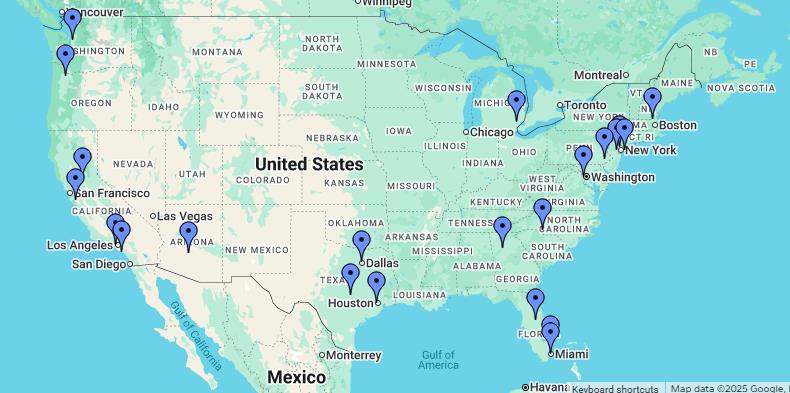
What Happened to James Allen’s Showrooms After Merging with Blue Nile
James Allen only ran two standalone physical showrooms in New York and Washington D.C. before the merger with Blue Nile. After integration, the Georgetown location in Washington D.C. was fully renovated and rebranded into an official Blue Nile showroom, while the New York outlet ceased independent James Allen operations. All offline in-person consultation, ring fitting and after-sales services originally offered at James Allen’s showrooms have been fully migrated to Blue Nile’s nationwide showroom network. Customers who bought jewelry from James Allen can visit any Blue Nile showroom across the US for ring resizing, cleaning, maintenance and diamond trade-in services. The independent James Allen offline store brand is retired, and all physical customer experience resources are unified under Blue Nile’s showroom system to cut redundant operating costs.
- Blue Nile Engagement Ring Review
Countless couples turn to Blue Nile for custom engagement rings, drawn by its huge diamond inventory and transparent online pricing, yet mixed buyer feedback reveals clear strengths and hidden pitfalls every shopper must notice.
Its biggest advantage lies in cost and transparency. Unlike offline jewelry stores marked up heavily for rent and staff, Blue Nile cuts middleman fees, offering stones 20% to 40% cheaper with full GIA certification. Every diamond page displays complete 4C data, clarity plot diagrams and certificate comments, letting buyers check inclusions like feathers or unlisted clouds before purchasing. The platform supports full customization: customers match loose diamonds with hundreds of prong, halo and bezel settings, and both natural and lab-grown options fit different budgets. Most buyers praise reliable shipping, secure packaging and official certificate verification for authenticity.
However, online shopping brings unavoidable drawbacks, especially for SI1 clarity diamonds, a popular budget pick. Many low-quality SI1 stones carry risky flaws easily overlooked by new buyers. Feathers clustered around the girdle or long cross-facet pavilion cracks weaken the diamond’s structure, raising chipping risks during daily wear. Cert notes like “clouds are not shown” signal dense internal haze, creating a milky, dull look that kills sparkle—these hidden clouds often drag down clarity grades without full visual display on plots. Without in-person viewing, shoppers cannot check eye-clean performance under natural light, and return shipping processes add minor hassle for unsatisfied orders.
For a worthwhile Blue Nile ring, stick to strict selection rules. Prioritize VS1 or eye-clean SI1 diamonds with short, internal feathers far from the girdle, and avoid stones with surface-reaching cracks or unmarked cloud notes. Overall, Blue Nile delivers outstanding value for informed buyers, but careless parameter screening can lead to fragile, lackluster diamonds unsuitable for everyday engagement wear.
- Weaknesses of Blue Nile
Lack of physical stores and real-time viewing experience
Blue Nile operates almost no physical showrooms globally. Shoppers cannot inspect, try on or view diamonds under natural light before buying. Its 360-degree product shots lag behind rivals’ high-definition videos, with many stones only shown via vague static images. Novice buyers often accidentally choose milky, visibly flawed or poorly cut diamonds, and some even mix up lab-grown and natural stones. Overseas customers also face unexpected customs charges and lengthy waiting periods for resizing.
Inconsistent customer service and logistical downsides
Support response times slow down drastically during busy seasons. Common complaints include shipment holdups, delayed tracking information and occasional missing parcels. Returns must be sent via specified couriers, which creates extra trouble for customers living in remote areas.
Confusing inventory and insufficient support for global new buyers
Blue Nile carries an overwhelming massive diamond catalog, overwhelming first-time shoppers. It only offers English with no localized language options, making it unfriendly to international customers. While all defects such as girdle feathers, cavities and unmarked cloud inclusions are documented on certificates, the site does not send proactive reminders about risky low-clarity flaws. Many amateurs overlook clarity plots and end up with fragile, lackluster stones.
Restrictive return regulations
Its 30-day refund rule demands complete original packaging and all matching accessories. Custom engraved rings are ineligible for full refunds, leaving little room for buyer mistakes.
- Complaints Against Blue Nile
Blue Nile receives many negative customer reviews despite selling authentic certified diamonds.
As the saying goes, good things take time, yet many buyers still grow upset over long production and shipping delays. Custom rings, resizing and repairs take weeks, with slow delivery updates and occasional missing items.
Its rigid policies also spark frustration. The strict 30-day return rule has no grace period. Third-party repairs void the lifetime warranty, and refunds process slowly for expensive orders.
Customer service is inconsistent. Agents sometimes give conflicting answers about coupons and orders, with slow replies and unhelpful dispute handling.
Notably, almost no reviews claim Blue Nile sells fake diamonds; most troubles focus on logistics and after-sales service.